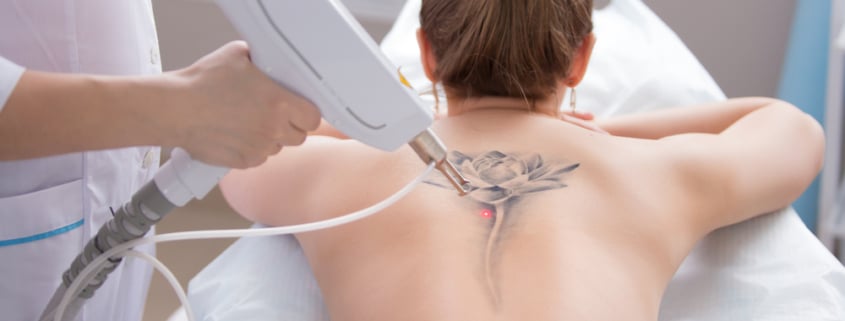
Woman has giant flower tattoo on her back removed by a doctor.

Why Some Tattoo Colors Take Longer to Remove
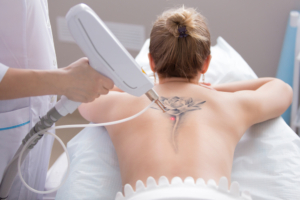
Woman has giant flower tattoo on her back removed by a doctor.If you have a multicolored tattoo, you may notice that some areas fade faster than others during removal. That is because tattoo pigments do not all react to laser energy in the same way. Black ink is generally among the easiest to target, while certain brighter or lighter colors may require additional treatments. The FDA notes that tattoo color is one of several factors that can influence the number of sessions required.

At Plastic Surgery Center of Hattiesburg, Medical Director Dr. Paul Talbot provides laser tattoo removal in Hattiesburg, MS, using Q-switched laser technology. His extensive background in general and plastic surgery supports a personalized approach based on each tattoo’s characteristics.

Why Does Ink Color Matter?

Laser tattoo removal works by directing light energy toward tattoo pigment. The pigment absorbs that energy and breaks into smaller particles, which your body gradually clears through its natural immune processes.

The challenge is that different colors absorb different wavelengths of light. Dark pigments such as black tend to absorb a broad range of wavelengths, making them relatively responsive to laser treatment. Other colors require wavelengths that interact more specifically with their pigment.

Which Tattoo Colors Can Be More Stubborn?

Green, red, and yellow are among the colors the FDA identifies as more difficult to remove, although response varies by laser. White, flesh-toned, and some cosmetic pigments present additional challenges because certain pigments may darken when exposed to laser energy.

Multicolored tattoos may therefore require a more complex treatment plan than a simple black tattoo. Ink composition also varies among tattoo manufacturers and artists, so two tattoos that appear to contain the same color may not respond the same way.

Why Are Multiple Sessions Necessary?

Color is only part of the equation. The age, size, location, depth, and density of your tattoo can also affect how quickly it fades. Professional tattoos may contain multiple layers of densely placed pigment.

Laser treatment also cannot safely eliminate all of that pigment at once. Sessions are spaced apart to allow your skin to heal and give your body time to clear fragmented ink.

Start With A Personalized Tattoo Evaluation

There is no universal timeline for removing every tattoo. Dr. Talbot can evaluate your tattoo’s colors and other characteristics to discuss what you may realistically expect from treatment. To learn more about laser tattoo removal in Hattiesburg, MS, contact Plastic Surgery Center of Hattiesburg at (601) 296-3405 to schedule a consultation.


Woman in white underwear shows off her more curvaceous hips with fat transfer.

Using Fat Grafting to Soften Noticeable Hip Dips Without Implants

Woman in white underwear shows off her more curvaceous hips with fat transfer.Hip dips — the natural inward curves between the hips and upper thighs — are a normal part of body anatomy. However, if yours appear more pronounced than you prefer, adding volume to the area may create a smoother transition between the waist, hips, and thighs. Fat grafting offers a way to accomplish this using your own fat rather than implants.

At Plastic Surgery Center of Hattiesburg, our three-surgeon plastic surgery team provides individualized body contouring in Hattiesburg, MS. Our doctors (Dr. William Reno, Dr. Paul Talbot, and Dr. John Magruder Sullivan III) bring decades of combined surgical experience to procedures designed around each patient’s proportions and goals.

How Does Fat Grafting Improve Hip Dips?

Fat grafting redistributes fat from one part of your body to another. Your surgeon first uses liposuction to collect fat from a donor area, such as the abdomen, waist, or thighs. The harvested fat is then prepared and strategically injected around the hip dips to add volume where desired.

Rather than simply making the hips larger, careful fat placement may help create a more continuous contour from the waist through the outer thighs. The amount and location of transferred fat can be customized to your existing shape.

Why Choose Fat Instead Of Hip Implants?

Fat grafting may appeal to patients who want to address localized contour irregularities without placing an implant. Because the procedure uses your own tissue, the added volume may also look and feel natural once healing is complete.

Liposuction of the donor area provides an additional contouring benefit. Removing fat from areas surrounding the hips or waist may further emphasize the curves created through fat transfer.

Are Fat Grafting Results Permanent?

Not every transferred fat cell will establish a lasting blood supply. Plastic Surgery Center of Hattiesburg advises patients that some injected fat is naturally absorbed, and additional treatment may sometimes be appropriate. Fat that successfully establishes itself can provide long-lasting volume, although future weight changes and aging may continue to affect your contours.

Is Fat Grafting Right For Your Hip Dips?

Candidacy depends on your anatomy, available donor fat, skin quality, health, and desired degree of correction. An in-person evaluation allows your surgeon to determine whether fat transfer is appropriate and how it could complement your natural proportions.

To learn more about fat grafting for hip dips in Hattiesburg, MS, contact Plastic Surgery Center of Hattiesburg or call (601) 296-3405 to schedule a consultation.
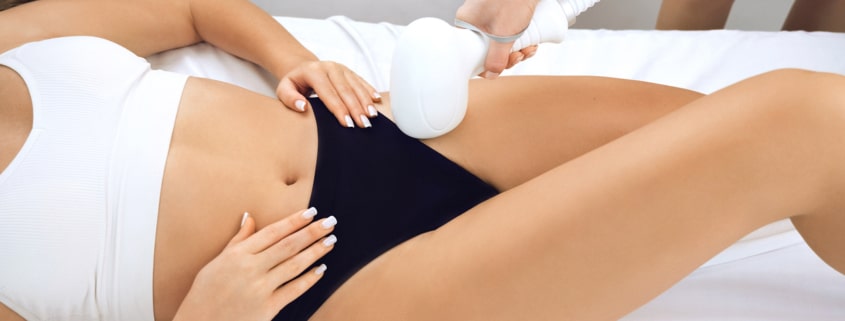
 

Patient laying back and getting laser hair removal treatment along her bikini line to reduce ingrown hairs and bumps.

Can Laser Hair Removal Reduce Ingrown Hairs Along the Bikini Line?

Patient laying back and getting laser hair removal treatment along her bikini line to reduce ingrown hairs and bumps.Laser hair removal can provide a longer-lasting way to manage unwanted bikini-line hair while reducing the repeated irritation that may follow shaving or waxing. Because skin tone, hair texture, and the cause of recurring bumps can affect treatment planning, a careful evaluation is an important part of the process. 

At Plastic Surgery Center of Hattiesburg, patients receive care from William L. Reno III, M.D., a board-certified plastic surgeon; Paul J. Talbot, M.D., an experienced plastic surgeon and American Board of Plastic Surgery member; and John Magruder Sullivan III, M.D., a board-eligible plastic and hand surgeon with advanced fellowship training. 

By targeting hair at the follicle, laser hair removal may help limit one of the main causes of recurring ingrown hairs along the bikini line.

Why Ingrown Hairs Develop Along the Bikini Line

An ingrown hair forms when a strand curls back into the skin or becomes trapped beneath the surface instead of growing outward. The bikini area is especially prone to this problem because the hair is often coarse or curly and the skin experiences frequent friction from clothing.

Shaving, waxing, and plucking may increase the risk by leaving hairs with sharp or uneven tips. Ingrown hairs can cause:

  • Red or tender bumps
  • Itching and inflammation
  • Pimple-like spots
  • Dark marks after healing
  • Recurring discomfort after hair removal

Some bumps may also become infected, particularly when they are scratched, squeezed, or repeatedly irritated.

How Laser Hair Removal May Help

Laser hair removal uses concentrated light energy to heat and damage active hair follicles. As treated follicles produce less hair, there are fewer strands available to become trapped beneath the skin.

The treatment may also make remaining hair finer and less noticeable. This can reduce irritation from frequent shaving or waxing, although maintenance treatments may occasionally be needed.

Laser treatment does not immediately remove every hair. Hair grows in different cycles, so a series of appointments is typically recommended to reach follicles during their active growth stage.

Is Laser Treatment Right for Recurring Ingrown Hairs?

Good candidates may include individuals who regularly experience bikini-line bumps, discoloration, or razor irritation. A consultation is important because not every bump is caused by an ingrown hair. Folliculitis, acne, cysts, and other skin conditions can create similar symptoms.

Treatment recommendations may depend on:

  • Hair color and thickness
  • Skin tone
  • Current irritation or infection
  • Medications and medical history
  • Previous hair-removal methods

Laser technology and treatment settings should be carefully selected to protect the surrounding skin and achieve effective results.

Find Bikini-Line Ingrown Hair Treatment in Hattiesburg, MS

Laser hair removal may provide an effective ingrown hair treatment by reducing coarse hair growth, the need for frequent shaving, and recurring bikini-line irritation. Contact Plastic Surgery Center of Hattiesburg at 601-296-3405 to schedule a consultation and learn whether treatment is appropriate for your skin and hair type.

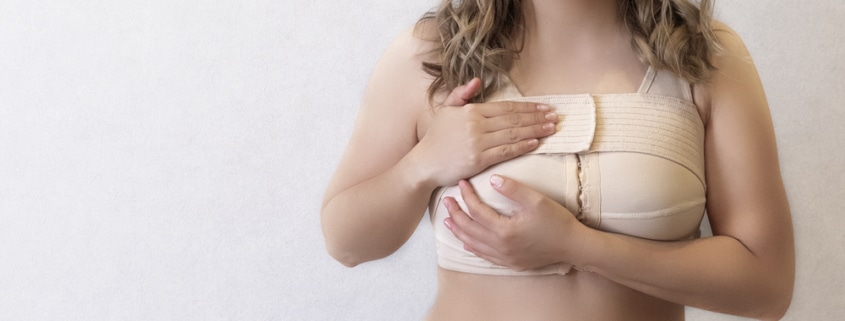
Woman wears compression garment as a top after breast augmentation.

Breast Augmentation Recovery: What the First Month Feels Like

Woman wears compression garment as a top after breast augmentation.

Breast augmentation recovery changes considerably during the first month. The first several days are generally focused on rest as swelling, tightness, and soreness gradually improve. Over the following weeks, everyday movement becomes easier, activity levels increase, and the breasts begin settling into their new position. Knowing what to expect can make it easier to prepare for recovery and recognize the milestones ahead.

At Plastic Surgery Center of Hattiesburg, Dr. William Reno, Dr. Paul Talbot, and Dr. John Magruder Sullivan III provide breast surgery for women in Hattiesburg, MS. With decades of plastic surgery experience across the team, our surgeons provide individualized guidance before surgery and throughout recovery.

The First Few Days: Prioritizing Rest

Immediately following breast augmentation, your body begins adapting to the implants and healing from surgery. Tightness, pressure, swelling, and soreness around the chest are common early experiences.

Plan to spend these first days resting and following your surgeon’s postoperative instructions closely. You may need help with household responsibilities, childcare, and other daily tasks to avoid unnecessary strain.

Week One: Getting Back on Your Feet

During the first week, you may begin feeling more comfortable moving around and completing light activities. Swelling and tightness may still be noticeable, and the breasts can initially appear higher or firmer than their eventual position.

Your surgeon will provide personalized guidance regarding showering, supportive garments, incision care, sleeping positions, and medications. Short walks are generally encouraged as part of recovery, but strenuous exercise and heavy lifting typically remain restricted.

Weeks Two and Three: Feeling More Like Yourself

Many people notice a meaningful difference in how they feel during weeks two and three. Everyday movement generally becomes easier, and initial postoperative changes continue to settle.

Depending on your job demands and individual healing progress, your surgeon may clear you for additional activities. It remains important not to rush exercise or upper-body movements simply because you feel better.

Week Four: Seeing Your Results Develop

By the end of the first month, the breasts may begin looking and feeling more natural as swelling continues to decrease and the implants gradually settle. However, breast augmentation results continue evolving beyond this early recovery period.

Postoperative appointments and your surgeon’s activity recommendations help support proper healing.

Speak to a Top Surgeon About Breast Implants

The first month after breast augmentation brings plenty of changes, but healing continues well beyond these initial weeks. Following your surgeon’s instructions, attending follow-up visits, and gradually returning to activity can support your recovery while your breasts continue to settle.

The three-surgeon team at Plastic Surgery Center of Hattiesburg combines extensive plastic surgery training with personalized care tailored to each woman’s goals and recovery. If you’re considering breast augmentation, contact Plastic Surgery Center of Hattiesburg or call (601) 296-3405 to schedule a consultation.
Man experiencing fatigue and trouble focusing at work due to low testosterone.

Could Low Testosterone Be Causing Fatigue and Brain Fog?

Man experiencing fatigue and trouble focusing at work due to low testosterone.Changes in your energy and focus can be easy to brush off at first, especially when life gets busy. When fatigue or difficulty concentrating becomes persistent, however, it may be worth taking a closer look at what is going on. Low testosterone can play a role in these changes, and testosterone therapy may be considered when testing confirms a deficiency.

At Plastic Surgery Center of Hattiesburg in Hattiesburg, MS, our doctors offer hormone therapy for men with low testosterone. Dr. William L. Reno III is board-certified by the American Board of Plastic Surgery, and Dr. John Magruder Sullivan III completed extensive plastic surgery and fellowship training.

How Can Low Testosterone Affect Your Energy and Focus?

Testosterone plays a role in several aspects of men’s health. When levels are consistently low, you may experience reduced energy and difficulty concentrating. Other possible signs can include:

  • Lower sex drive
  • Erectile difficulties
  • Reduced muscle mass
  • Mood changes or irritability
  • Changes in body composition
  • Decreased motivation or stamina

These symptoms can develop gradually, making them easy to dismiss as stress, poor sleep, or simply getting older. Fatigue and concentration problems are also nonspecific, meaning they can occur for reasons unrelated to testosterone.

How Do You Know If Low Testosterone Is the Problem?

Symptoms alone cannot confirm low testosterone. Current clinical guidance recommends diagnosing testosterone deficiency based on compatible symptoms along with consistently low testosterone levels measured through blood testing. For men, this generally involves at least two early-morning testosterone tests on separate occasions.

An evaluation can also help identify other factors that may be contributing to how you feel. That distinction matters because treatment should be based on your test results, health history, and clinical findings, not fatigue or brain fog alone.

Can Testosterone Therapy Help?

For men diagnosed with testosterone deficiency, testosterone therapy may help address symptoms associated with low T. Treatment options at Plastic Surgery Center of Hattiesburg include:

  • Topical testosterone gels: Applied to the skin as directed.
  • Intramuscular injections: Testosterone administered through injections.
  • Testosterone pellets: Small pellets placed beneath the skin to release testosterone gradually.

Find Out if Low Testosterone Is Affecting You

Tired of wondering why your energy and focus feel different? Schedule a consultation with Plastic Surgery Center of Hattiesburg in Hattiesburg, MS, to discuss your symptoms and testing options. 

Call 601-296-3405 to get started.

Fit woman has a nice midsection after body contouring surgery.

Tummy Tuck Vs. Liposuction: Which Procedure Fits Your Goals?

Fit woman has a nice midsection after body contouring surgery.When considering body-contouring options, you may be torn between two popular procedures: a tummy tuck and liposuction. At Plastic Surgery Center of Hattiesburg, our experienced team of plastic surgeons takes a personalized approach to help our patients determine which treatment aligns best with their goals, anatomy, and long-term expectations. While both procedures focus on improving the abdominal area, they are designed to address different concerns.
The Purpose of Each Procedure

A tummy tuck (abdominoplasty) is a surgical procedure that removes excess skin and tightens the abdominal muscles. This makes it especially beneficial for individuals who have experienced pregnancy or significant weight loss, where loose skin and weakened muscles may be present. In contrast, liposuction is designed to remove localized fat deposits. It does not address excess skin or muscle laxity but can refine contours in areas where fat persists despite diet and exercise.

Key Differences in Results

The results of a tummy tuck tend to be more comprehensive for the abdominal area. In addition to fat reduction, it may create a smoother, firmer appearance by addressing stretched skin and underlying muscle separation. Liposuction results are typically more subtle and focused, enhancing definition by reducing fat volume. Patients with good skin elasticity may see excellent contour improvements with liposuction alone, while others may require the more involved approach of a tummy tuck.

Important Factors to Consider

Your choice between a tummy tuck and liposuction depends on several factors, including your skin quality, muscle tone, and overall goals. If you have minimal skin laxity and isolated fat pockets, you may be a strong candidate for liposuction. If you have loose or sagging skin or abdominal muscle separation, you may benefit more from a tummy tuck. A consultation with a qualified plastic surgeon is essential to evaluate these factors and recommend the most appropriate treatment plan.

Can the Procedures Be Combined?

In some cases, combining a tummy tuck with liposuction may provide a more refined and balanced result. This approach allows surgeons to remove excess skin and tighten muscles while also sculpting surrounding areas. The team at Plastic Surgery Center of Hattiesburg carefully plans each procedure to ensure safety and achieve natural-looking outcomes.

To learn more about body contouring options in Mississippi, contact Plastic Surgery Center of Hattiesburg at (601) 296-3405.


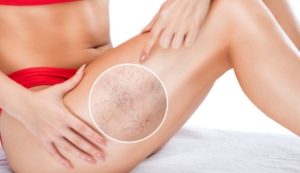
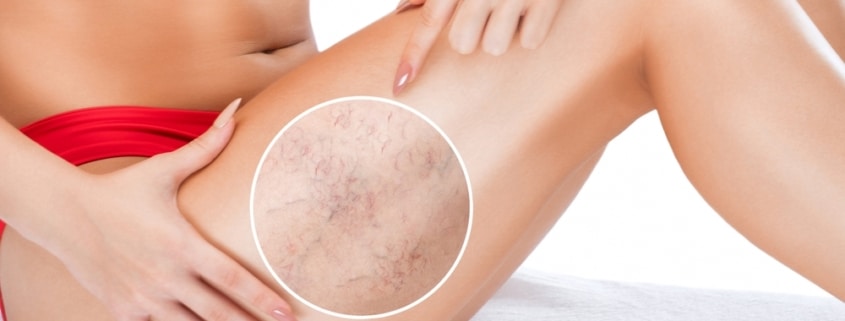
A close-up shot of spider veins on a woman's thigh

Are Spider Veins a Health Concern or Just a Cosmetic Issue?

A close-up shot of spider veins on a woman's thighSpider veins often appear as thin red, blue, or purple lines just beneath the skin. Many people see spider veins on their legs or face and want to know: Are they simply a cosmetic issue, or could they signal something more serious?

At the Plastic Surgery Center of Hattiesburg, patients benefit from the expertise of highly trained providers, including Dr. William L. Reno III, a board-certified plastic surgeon. He and his team offer personalized guidance and advanced care options for people seeking safe, professional treatment for spider veins.

Are Spider Veins Usually Just Cosmetic?

For many people, spider veins are primarily a cosmetic concern. They may not cause pain or health problems, but they can affect how the skin looks.

People often seek treatment because the veins can:

  • Create visible red or blue lines on the skin
  • Become more noticeable over time
  • Diminish confidence when wearing shorts, skirts, or swimwear

Cosmetic services reduce the appearance of these veins and restore smoother-looking skin.

When Spider Veins May Indicate a Health Concern

Although spider veins are usually harmless, they can sometimes be associated with chronic venous insufficiency, a condition where blood struggles to flow properly through the veins.

Potential signs of a medical issue include:

  • Leg pain or aching
  • Swelling in the lower legs or ankles
  • Burning or throbbing sensations
  • Skin discoloration around the veins

A qualified medical professional should evaluate these symptoms to rule out underlying vein disease.

Treatment Options for Spider Veins

If spider veins bother you cosmetically or cause discomfort, several remedies may help reduce their appearance. Common spider vein treatments include:

  • Sclerotherapy: A solution is injected into the vein to cause it to collapse and fade.
  • Laser therapy: Targeted energy breaks down visible veins near the skin’s surface.
  • Lifestyle changes: Exercise, compression stockings, and avoiding prolonged standing can support circulation.

A consultation allows your provider to review your symptoms, examine the affected areas, and recommend the most appropriate approach.

Explore Spider Vein Treatments in Hattiesburg Today

Spider veins are usually not a cause for concern, but they can sometimes signal underlying vein issues. If you’re bothered by their presence or want to learn more about potential solutions, the team at the Plastic Surgery Center of Hattiesburg is here to help. Call (601) 296-3405 today to schedule an appointment.

Close up of woman's fresh, youthful face after a facelift in

Mini Facelift or Full Facelift: Which One Do You Need?

Close up of woman's fresh, youthful face after a facelift inIf your face isn’t looking as smooth and taut as it once did, you may be wondering if it’s time for a “lift.” But will a mini facelift do the job, or is a full facelift more suitable for your needs? Both procedures result in a refreshed, more youthful look, but they differ in scope, technique, and the concerns they address.

At the Plastic Surgery Center of Hattiesburg, the team is committed to specialized, compassionate care, helping patients feel knowledgeable, comfortable, and confident. The practice stays on the leading edge of plastic surgery in Mississippi by keeping current with new procedures and technology, so your treatment plan provides the most natural-looking results.

What a Mini Facelift Treats

A mini facelift treats the lower face, especially mild to moderate looseness around the jawline (jowls) and the lower cheeks. It typically uses shorter incisions (often around the ears) and is less extensive than a full facelift. Because the correction is more targeted, a mini facelift is usually a good fit for patients who want noticeable improvement but aren’t ready for a more comprehensive surgery.

Best for: Early signs of aging, mild jowling, subtle facial sagging, and patients seeking a smaller change with a shorter recovery.

What a Full Facelift Treats

A full facelift addresses more advanced aging across the midface and lower face, and it may be combined with a neck lift if the neck is also affected. The surgeon repositions deeper facial tissues for longer-lasting support and smooths the skin for a natural finish. This approach is ideal when sagging is more pronounced, such as heavier jowls, deeper creases, and significant loss of facial definition.

Best for: Moderate to significant sagging, deeper folds, and patients wanting a more dramatic, longer-lasting rejuvenation.

Differences in Recovery and Results

In general, mini facelift recovery is often quicker, with many patients returning to normal routines sooner (depending on their surgeon’s guidance). A full facelift typically involves more downtime due to the larger treatment area, but it can deliver a more comprehensive transformation.

Results from both procedures can look very natural when performed by an experienced surgeon. The “right” choice depends less on age and more on your anatomy, skin quality, and goals.

Look Young and Fresh with a Facelift in Hattiesburg, MS

The best way to know for sure is to call us at 601-296-3405 to schedule a consultation. Your provider can assess your facial structure, discuss realistic outcomes, and recommend the procedure that matches your priorities.

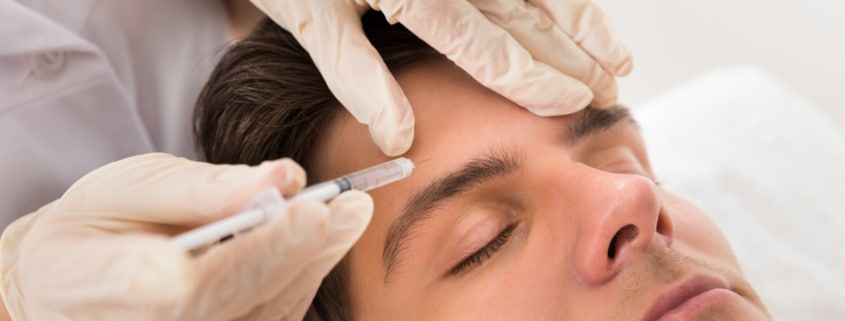
Man receiving Botox injection for wrinkle smoothing and facial rejuvenation at cosmetic clinic

Top Areas to Treat with Botox for Natural, Youthful Results

Man receiving Botox injection for wrinkle smoothing and facial rejuvenation at cosmetic clinicBotox remains one of the most trusted ways to smooth wrinkles and refresh your appearance, with no downtime. Many patients choose this treatment to soften lines while still maintaining natural facial movement. Understanding the most effective areas for Botox can help you decide if this treatment aligns with your goals.

At the Plastic Surgery Center of Hattiesburg, Dr. William L. Reno III and Dr. Paul J. Talbot personally perform all nonsurgical treatments. Dr. Reno is a board-certified plastic surgeon and graduate of the University of Mississippi Medical Center, and Dr. Talbot is a board-certified cosmetic plastic surgeon with extensive training in facial rejuvenation. Their experience helps patients enjoy subtle, refined results that support a youthful look.

Forehead Lines

Horizontal forehead lines are among the earliest visible signs of aging because the forehead muscles are constantly active during facial expressions. Over time, repetitive movement and reduced collagen can make these lines appear deeper and more permanent. Botox helps relax the frontalis muscle, allowing the skin to smooth out while still maintaining natural movement. 

Frown Lines Between the Brows

Frown lines, or “11s,” can become prominent due to facial tension, squinting, and daily stress. These vertical creases often create an unintended stern expression that does not reflect how you feel. Botox softens these lines by relaxing the glabellar muscles, helping you appear more relaxed and approachable.

Crow’s Feet Around the Eyes

Crow’s feet form from years of smiling, laughing, and sun exposure, making this a natural part of aging. The delicate skin around the eyes tends to thin more quickly, which can exaggerate fine lines. Botox gently smooths this area, creating a brighter, more youthful look without limiting your ability to smile. 

Bunny Lines on the Nose

Bunny lines develop when the nasal muscles contract, especially during laughing or smiling. These diagonal lines can become more noticeable as skin elasticity decreases. Botox can relax the nasalis muscle to reduce these lines, helping the nose area appear smoother. 

Brow Lift Effect

A subtle Botox brow lift can help open the eyes and refresh the upper face. By relaxing specific muscles that pull the brows downward, Botox allows the brow to sit slightly higher. This effect can reduce heaviness on the eyelids and contribute to a more alert appearance.

Chin Dimples and Orange-Peel Texture

The chin muscle can sometimes contract too strongly, creating dimpling or a pebbled texture. This condition, known as “peau d’orange,” becomes more noticeable with age. Botox helps smooth the chin by reducing overactive muscle movement, improving the look of the lower face. 

Discover a Refreshed Look with Expert Care

If you are considering Botox to smooth fine lines or refresh your expression, the Plastic Surgery Center of Hattiesburg in Hattiesburg, MS, can help. Dr. William L. Reno III and Dr. Paul J. Talbot use skilled techniques to enhance natural features with subtle, beautiful results. Call 601-296-3405 to schedule your appointment.